
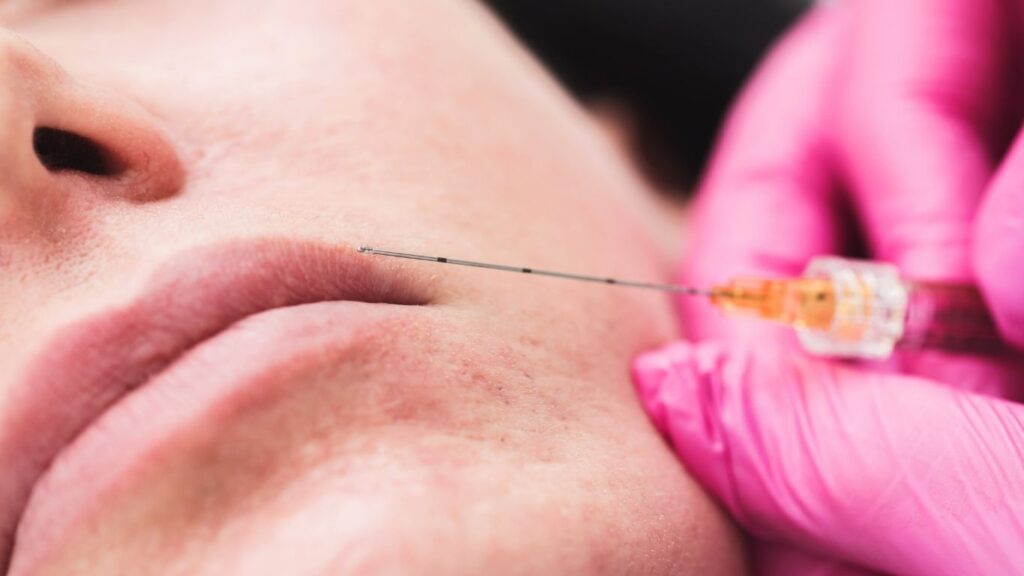
Dermal fillers have become a popular cosmetic treatment, used to add volume to the lips and cheeks, enhance facial contours, and soften the appearance of lines. Because filler treatments are minimally invasive and often take relatively little time, they can seem like a simple cosmetic procedure. But dermal fillers are still medical treatments that involve injecting a product into the body and come with potential risks and complications.
Most people experience some degree of swelling, bruising, or tenderness after treatment, and these effects typically improve as the area heals. The concern arises when symptoms become severe, worsen, or involve changes that aren’t part of normal recovery. In this blog, you’ll learn about the signs that your dermal filler treatment may have gone wrong, how to distinguish them from normal side effects, and what to do if you notice a concerning change after treatment.
What Is Considered a Botched Dermal Filler Treatment?
A botched dermal filler refers to a result that differs significantly from the intended outcome or a treatment that caused a complication. This can include excessive filler, uneven placement, filler migration, persistent lumps, or complications related to the injection itself. Not every uneven or swollen appearance means your filler was botched. The treated area can look different during the first several days as swelling and bruising develop and then improve. The timing, severity, and progression of your symptoms matter when deciding whether you need further evaluation.
Normal Dermal Filler Side Effects vs. Warning Signs
Mild swelling, bruising, and tenderness are common after dermal filler injections and typically improve as the treated area heals. However, certain symptoms can indicate a complication that needs medical attention.
| Normal after treatment | Signs that need medical attention |
| Mild swelling that gradually improves | Rapidly worsening or severe swelling |
| Minor bruising around injection sites | Unusual white, gray, blue, or mottled skin |
| Temporary tenderness | Severe or increasing pain |
| Mild firmness shortly after treatment | Persistent, painful, or enlarging lumps |
| Temporary asymmetry from swelling | Persistent or worsening asymmetry |
| Mild firmness around injection sites | Significant or persistent lumps |
7 Signs Your Dermal Fillers May Have Gone Wrong

From persistent lumps and filler migration to unusual skin discoloration, complications can affect both the appearance and health of the treated area. Recognizing these seven botched-filler warning signs can help you know when to seek medical evaluation and what to do next.
Persistent or Pronounced Lumps
Small areas of firmness are common immediately after filler, but a lump that remains after the swelling settles deserves a closer look. Filler can create a visible bump when it sits too close to the surface, collects unevenly, or too much product is placed in one area. Inflammation around the filler can also cause a firm or tender nodule.
The area can feel hard or raised and sometimes has a ridge-like or ropey appearance. If the lump stays noticeable, becomes painful, or starts looking more uneven instead of improving, it should be assessed, and you should avoid squeezing, poking, or aggressively massaging it, as this can irritate the tissue or shift the filler.
Significant or Persistent Asymmetry
Persistent asymmetry can result from different amounts of filler being placed on each side, uneven swelling, or filler shifting from its intended position.
One cheek, lip, or other treated area can remain noticeably fuller, higher, or differently shaped than the other. The difference can become especially obvious when smiling or talking. You should give the area time to settle rather than trying to balance it with more filler, and avoid repeatedly pressing or massaging the treated area.
An Overfilled or Unnatural Appearance
Too much filler in a single area can change the proportions of your face rather than simply adding definition or volume to it. This can happen when excessive product is used during one appointment or when additional filler is added before the previous treatment has fully settled.
The cheeks can look unusually round or heavy, the lips can appear overly projected, or natural facial contours can become less defined. If the result looks noticeably different from the shape discussed during treatment, do not add more filler to compensate while swelling is still present. The area should be reassessed before further treatment or correction.
Filler Migration and Blue Hue Effect
Filler migration occurs when filler moves beyond its intended treatment area, causing puffiness or changes in facial contours. It can develop gradually, especially after repeated treatments.
A Tyndall effect creates a blue-gray tint when hyaluronic acid filler sits too close to the skin’s surface, particularly beneath the eyes. Unlike ordinary bruising, this discoloration can persist after swelling subsides. Persistent contour changes or a blue-gray tint should be evaluated by an experienced medical professional. Avoid repeatedly pressing or massaging the area, as this will not reliably correct migrated filler.
Severe or Increasing Pain
Mild tenderness can occur after an injection, but pain that becomes stronger instead of improving is different. One serious cause is vascular occlusion, which occurs when filler blocks or compresses a blood vessel and reduces blood flow to nearby tissue.
Severe, throbbing, or disproportionate pain is particularly concerning when it occurs with changes in skin color or unusual coolness in the treated area. This is not something to monitor at home or treat with aggressive massage. You should contact the injector immediately and seek urgent medical attention if the symptoms are severe.
Infection, Increasing Redness, or Persistent Skin Darkening
Infection can develop days after dermal filler treatment. Symptoms include increasing redness, warmth, swelling, worsening tenderness, pus, or fever. Persistent skin darkening, known as hyperpigmentation, can also develop after bruising or inflammation and may remain after other symptoms improve.
Infection can develop days after dermal filler treatment. Symptoms include increasing redness, warmth, swelling, worsening tenderness, pus, or fever. Persistent skin darkening, known as hyperpigmentation, can also develop after bruising or inflammation and may remain after other symptoms improve.
Vision Changes or Other Functional Problems
Vision changes after dermal filler are rare but serious because filler can affect blood vessels connected to the eye. Blurred or double vision, partial or complete vision loss, or unusual eye pain should be treated as an emergency. A review published in PubMed identified 365 reported cases of partial or complete vision loss linked to filler injections between September 2018 and March 2023. Among cases with available outcome data, 68.2% did not recover their vision.
Other functional changes, such as difficulty moving part of your face normally, can also signal a complication that needs medical evaluation. Do not wait for these symptoms to improve or schedule a routine follow-up. Seek immediate medical attention and tell the medical team that you recently received dermal filler.
What Should You Do If Your Dermal Filler Looks Wrong?
If your dermal filler looks uneven, feels unusually lumpy, or does not look the way you expected, contact your injector instead of trying to fix it yourself. Here are the steps you can take to address the problem and protect your skin.
- Leave the treated area alone: Avoid squeezing, poking, pressing, or massaging the area unless your injector specifically advises you to. Trying to reshape the filler yourself can irritate the tissue and make the problem worse.
- Take clear photos: Photograph the treated area in good lighting from different angles. Keep the photos dated so you can track changes over time and share them with your injector during your assessment.
- Monitor your symptoms: Pay attention to changes in pain, swelling, tenderness, numbness, or skin color. Note when the symptoms started and how they have changed, as these details can help your medical professional determine whether further evaluation is needed.
- Contact your injector: Explain what looks or feels different, when you first noticed the change, and whether your symptoms are improving or worsening. This information helps your injector assess the problem and recommend the appropriate next steps.
- Follow your aftercare instructions: Keep your skincare routine gentle and avoid rubbing or exfoliating the injection sites. Follow your injector’s advice about exercise, lying down, and when to resume massages, chemical peels, or other facial treatments.
- Avoid unnecessary pressure: If you received filler around your nose or under your eyes, ask your injector how to manage glasses or goggles that rest on the treated area. Avoid applying pressure that could irritate the area while it heals.
- Avoid additional treatments for now: If you are unhappy with your results, have the area assessed before adding more filler or undergoing another cosmetic procedure. Treating the problem without understanding its cause can complicate your results.
- Consider a second opinion: If your concerns remain unresolved or you are unsure about the recommended treatment, consult another qualified medical professional experienced in dermal filler complications. They can assess the area and discuss appropriate treatment options.
- Seek urgent medical attention when needed: Severe or increasing pain, pale or mottled skin, unusual skin coolness, or sores near the injection site can indicate a serious complication. Vision changes or eye pain require immediate emergency evaluation, so do not wait for a routine appointment.
How to Reduce the Risk of Botched Dermal Fillers?
You cannot eliminate every risk associated with dermal filler, but choosing the right injector and understanding the treatment beforehand can help reduce avoidable problems.
Before getting dermal filler:
- Choose a qualified injector: Look for a licensed medical professional with specific training and experience in dermal filler injections and facial anatomy.
- Have a proper consultation: Your injector should assess the area you want treated, discuss your concerns, and explain whether filler is an appropriate option.
- Be clear about the result you want: Discuss your aesthetic goals and what you consider a natural or balanced result. This helps avoid adding more volume than you actually need.
- Ask about the filler being used: Find out what product is being recommended, where it will be placed, and why it is suitable for that treatment area.
- Share your treatment history: Tell your injector about previous filler, other cosmetic treatments, allergies, medications, and relevant medical conditions.
- Understand the aftercare: Know what activities, products, or treatments you need to avoid after your injection and when you should contact your injector about a concern.
- Do not choose based on price alone: Extremely low-cost or unregulated filler treatments can increase the risk of receiving inappropriate products or treatment from someone without adequate training.
- Avoid DIY or unregulated filler: Dermal filler is an injectable medical treatment and should be performed by an appropriately qualified medical professional.
A safe treatment plan should take into account your facial anatomy, treatment area, filler type, amount of product, previous treatments, and aesthetic goals. Good planning is one of the best ways to avoid results that look overfilled, uneven, or out of proportion.
Get Personalized Dermal Filler Treatment in San Diego
Getting the best results from dermal filler starts with choosing a qualified, experienced injector, having realistic expectations, and following the right care before and after treatment. Avoiding common mistakes like overfilling, choosing placement that does not suit your anatomy, or trying to correct problems yourself can help you achieve a more balanced result.
If you’re considering dermal filler in San Diego, The Laser Cafe takes a personalized approach to treatment. During your consultation, we’ll assess your facial features, discuss your aesthetic goals, and help determine which treatment approach fits your needs. Our team also provides aftercare recommendations based on the areas treated and your individual needs. Schedule a consultation with The Laser Cafe to discuss your options and create a personalized treatment plan.


Highest Rated Laser Hair Removal & Medspa in San Diego, CA