

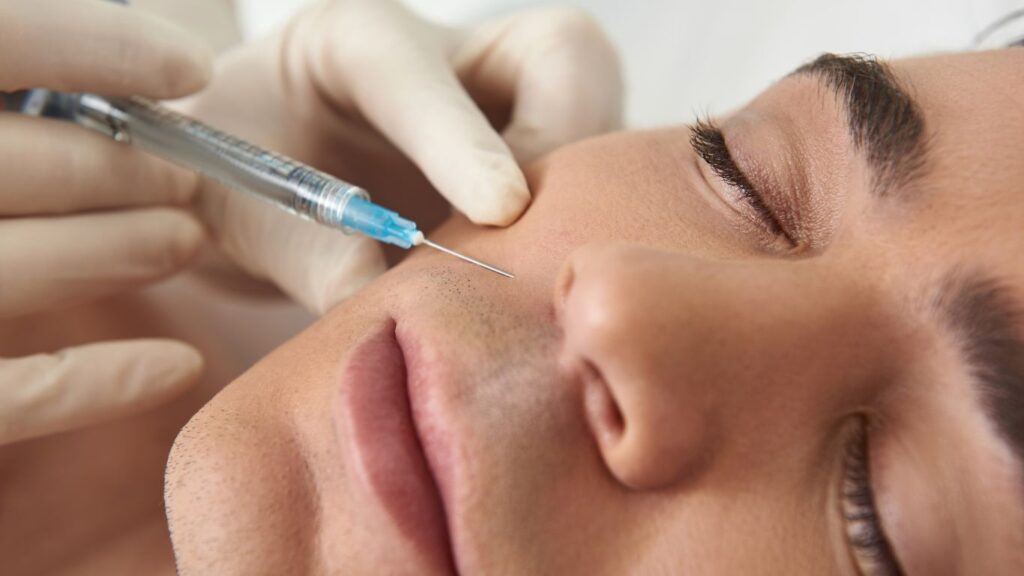
Dermal Fillers for Smile Lines: How They Work, and How Long They Last
You’ve noticed the wrinkles running from the sides of your nose to the corners of your mouth have deepened. Over time, they’ve become visible even when you’re not smiling. Daily moisturizers and heavy makeup can no longer hide or soften them. But dermal fillers for smile lines offer a simple, non-surgical way to restore a smoother appearance.
Dermal fillers for smile lines are hyaluronic acid gels, such as Juvéderm or Restylane, injected along or beneath the nasolabial folds to replace lost volume. Results are visible immediately, though the filler settles into its final appearance over about two weeks. Depending on the product used, results generally last six to 18 months.
This guide covers everything you need to know before booking your first consultation. Learn what causes laugh lines and nasolabial folds to deepen, and how the two main injectable gel options restore lost volume. We also outline the top brands available, what happens during treatment, expected costs, potential risks, and how to know if you’re a good candidate.
What Are Smile Lines?
Smile lines, also known as nasolabial folds, are the natural creases that run from the side of your nose to the corner of your mouth.
As you get older, your skin loses its natural elastin and collagen, which generally keep your facial skin firm. The deep fat pads in your midface also shift downward and shrink over time. This midface volume decrease results in sagging skin, making the facial folds appear deeper.
Your genetics largely control how quickly these changes appear, especially if your parents developed early wrinkles. External habits also speed up skin aging. Bright sunlight damages skin cells, while smoking reduces oxygen flow to your face and destroys healthy tissue. Decades of everyday expressions like laughing or smiling further break down skin structure, deepening these lines.
How Do Dermal Fillers Soften Smile Lines?
Dermal fillers are injectable gels, generally made of hyaluronic acid, and placed beneath the crease to replace lost volume and lift the skin so the fold looks shallower.
Smile lines often develop as the face naturally loses volume over time. The cheeks gradually lose midface fat, while collagen, elastin, and deeper fat stores decline. As that support fades, the tissue above the mouth can settle into a more noticeable fold. Hyaluronic acid filler restores volume where needed, softening the crease and creating a refreshed, natural-looking result.
We use two main approaches to soften smile lines:
- Direct volume replacement: We place filler directly along the fold to soften a defined crease.
- Midface support: Cheek filler is placed higher in the midface to lift the area above the fold. This can soften the line when midface volume loss is the cause.
During your consultation, your injector will determine the right approach for you.
Which Fillers Are Used for Smile Lines?
Qualified injectors most often choose Juvéderm and Restylane to even out facial creases. Both product lines contain safe hyaluronic acid formulations that have earned full FDA approval specifically for treating nasolabial folds. These proven injectables restore lost volume quickly, helping you achieve a refreshed look that still feels soft, flexible, and completely natural.
Juvéderm
Juvéderm consists of a smooth, soft gel consistency that we typically recommend for treating dynamic facial lines. Specific formulas like Juvéderm Ultra Plus XC and Juvéderm Vollure XC are officially approved for softening nasolabial folds.
This option suits patients seeking a gentle enhancement that blends seamlessly into facial tissue in delicate or high-movement areas. As your mouth moves when you talk, laugh, or eat, Juvéderm flexes easily with your everyday expressions without looking stiff.
Restylane
Restylane provides a firmer structure, which we typically use when your face needs stronger support. Popular options such as Restylane Lyft and Restylane Refyne deliver targeted lift where you need it. This gel works well for deeper facial folds that need added shape and support. Its firm consistency makes Restylane an ideal choice for treating established smile lines or boosting the cheek area above the crease to lift the fold upward.
How Long Do Dermal Fillers for Smile Lines Last?
Dermal fillers for smile lines generally last between 9 and 18 months. However, results can range from 6 to 18 months overall depending on the formula used. Your body slowly breaks down the hyaluronic acid over time through natural metabolic processes, causing the gel to lose its plumping effect.
Several factors influence the longevity of your treatment. Your metabolism, sun exposure, the product’s firmness, the volume injected, and constant facial movement around your mouth all contribute to the product breaking down. Most patients schedule a maintenance visit once the crease starts to show rather than following a specific time period.
Side Effects and Risks of Smile Line Fillers
Most side effects are mild and temporary. You’ll likely experience minor swelling, bruising, and tenderness surrounding the injection site, which usually settle within one to two weeks.
Although rare, filler injected into or pressing on a blood vessel can block blood flow and, in serious cases, lead to tissue death, vision loss, or stroke. Contact the practice or seek urgent medical care immediately if you develop severe or worsening pain, skin that turns white or blotchy, or any change in your vision. We can dissolve the filler if you’re still not satisfied with the results after a few days.
You should postpone or completely avoid treatment if you meet any of these contraindications:
- Currently pregnant or breastfeeding.
- You have an active skin infection or cold sore near your mouth.
- You’re allergic to lidocaine or sensitive to filler ingredients.
- Your medical history includes allergic reactions (anaphylaxis).
- You are under 21 years old (or under 22, depending on the specific FDA product label).
How Much Do Dermal Fillers for Smile Lines Cost?
Injections typically cost between $600 and $1,000 per syringe across the United States. Your overall bill varies based on the dermal filler used, such as Juvéderm or Restylane, and the depth of your nasolabial folds. Clinicians set their rates around their local geographic market and personal injection experience. Deeper facial folds require more volume, which will increase your treatment cost.
Our pricing starts at $750 for nasolabial fold treatment. Your spend depends on the treatment area and the amount of filler needed to achieve your results. Severe volume loss may require multiple syringes during your appointment. Booking a direct consultation lets us provide a precise cost estimate and helps you plan your treatment.
Botox or Filler for Smile Lines
Dermal filler is the top choice for smoothing smile lines. These deep folds develop due to lost volume and sagging cheek skin, structural changes that Botox cannot fix. Injectable gel plumps up the flattened tissue from underneath to soften static creases.
The two treatments work differently. Botox relaxes the specific facial muscles that cause expression lines like crow’s feet or forehead wrinkles, with results lasting three to four months. Filler restores structural volume beneath a fold that remains visible even when your face stays completely still.
Botox can still play a supporting role in treating smile lines. Injectors sometimes add a small dose of Botox with filler when strong facial muscle movements pull and deepen the crease. Combining both methods into one treatment can deliver optimal smoothness, depending on the cause and severity of the lines. The recommended Botox units for smile lines can vary based on your facial anatomy and treatment goals.
Have Questions About Dermal Fillers for Smile Lines? Talk to The Laser Cafe
Smile lines deepen over time as your midface gradually loses structural volume. Dermal fillers soften these smile lines by replacing lost support, smoothing the treated area instantly, with results lasting 6 to 18 months. While risks remain low when a skilled injector performs the procedure, filler may not always suit every individual crease.
You can schedule a personalized visit with our registered nurse injectors to evaluate whether targeting the fold, cheek area, or skin quality offers your ideal starting point. We offer a complimentary consultation that simply requires a fully refundable deposit to reserve your spot.
Highest Rated Laser Hair Removal & Medspa in San Diego, CA