
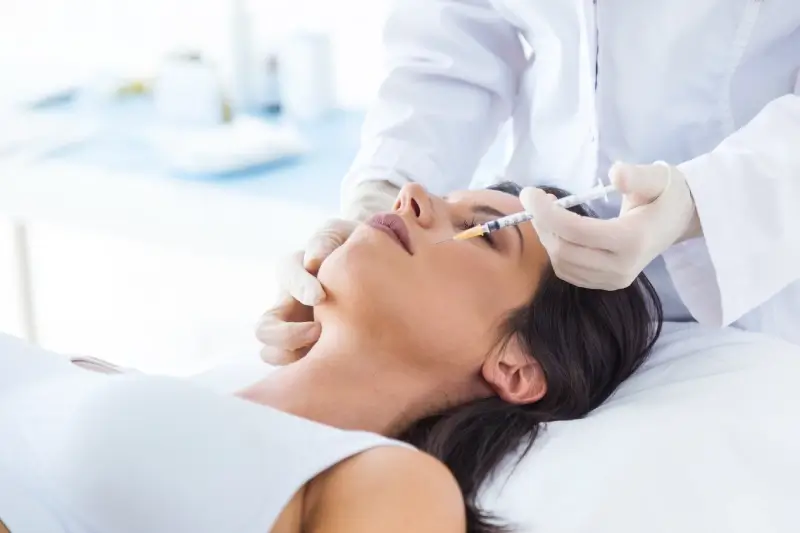
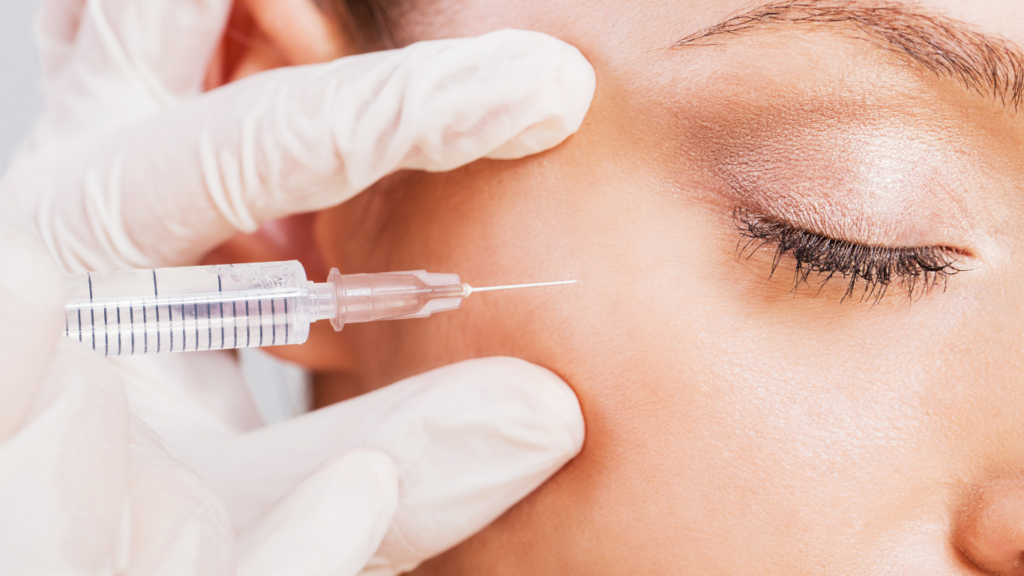
Botox can create smoother, younger-looking skin, but your results depend on what you do after the treatment. Many people focus on the injection process but ignore the aftercare instructions that support proper healing after Botox. Simple mistakes like touching the injection site, exercising too soon, drinking alcohol, or exposing your face to excessive heat can affect Botox results.
Knowing what to avoid after Botox helps to protect your treatment, reduce complications, and ensure a smoother recovery. In this blog, you’ll learn what to avoid after Botox, common mistakes people make, and why following botox aftercare is important for achieving natural-looking results.
What to Avoid Before Your Botox Appointment
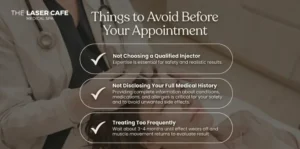
While using Botox cosmetically to soften moderate-to-severe dynamic facial lines is safe, effective, and FDA-approved, you should avoid these common mistakes for optimal results.
Not Choosing a Qualified Injector
Administering Botox requires in-depth knowledge of the underlying facial structure and muscle movement. People often ignore this because they get the same treatment at a lower price, which increases the chances of unwanted effects and frozen look. Before treatment, always ask about the provider’s qualifications, experience with Botox, and approach to treatment. A qualified injector should also take time to assess your face and discuss what results are realistic for you.
Not Disclosing Your Full Medical History
Your injector needs to know about your medical history, supplements, allergies, previous cosmetic treatments, and any relevant medical conditions before administering Botox. Some medications and supplements can increase the risk of bruising, while certain medical conditions or previous treatments may affect the result of Botox. So, during your initial consultation, provide your injector with complete information so they can help you if Botox is right for you.
Treating Too Frequently
Botox requires 3-5 days to work, and its effect can last up to 3-4 months depending on your metabolism, age, and treatment area. However, getting Botox more often than recommended can make it harder to assess your results and determine whether you actually need additional treatment. Rather than scheduling your next appointment quickly, wait until you’ve reached the appropriate point where your muscles have returned to their normal movements.
What to Avoid After Botox (Aftercare Mistakes)
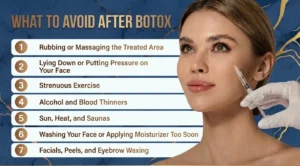
Even a well-planned Botox treatment can go wrong if you don’t follow proper aftercare. Avoiding a few common mistakes after your injections can prevent botched botox and give your treatment the best chance to settle properly. Here’s what to avoid after Botox:
Rubbing or Massaging the Treated Area
One of the biggest things that you should avoid after Botox is rubbing the area where Botox was injected. The injection site may be sore after treatment and although the pain can subside quickly, it is still very sensitive. Rubbing or massaging the treated area can irritate it, prolonging redness and even causing bruising. For the first 24 hours, you should handle the treated area gently and avoid manipulating the treated area. If you need to touch the treated area, use light pressure and clean hands.
Lying Down or Putting Pressure on Your Face
Although you may want to take a nap after your Botox treatment, it’s essential that you keep your face upright for at least six hours. You should avoid leaning forward or looking down during this time, as it could put pressure on the injection site, preventing Botox from staying in the correct muscles and nerves. It could also lead to redness and bruising at the injection site as well.
Strenuous Exercise
You should always avoid strenuous activity for at least 24 hours after your Botox treatment. An intense workout, other strenuous activity, or even yoga, could unknowingly cause you to strain facial muscles. Excessive movement of these muscles can prevent Botox from settling properly which can increase blood flow and can spread Botox to the incorrect muscles as well. You can keep activities light such as a gentle walk.
Alcohol and Blood Thinners
Many people are unaware of the fact that alcohol can thin your blood. You need to wait at least 24 hours before consuming any type of alcohol because of the risk of bleeding and bruising after your injection. Some medications and supplements can also increase bruising. But don’t stop aspirin, prescription blood thinners, or other prescribed medications on your own. It is always best to ask your healthcare provider whether you should make any changes before or after Botox.
Sun, Heat, and Saunas
Heat and sun can inflame your skin, which can cause prolonged redness and swelling. When you’re outside, be sure to wear a hat and protect your skin with sunscreen. It is also important to avoid heat lamps, tanning beds, and the sun itself for at least 24 hours after your injection. You should also avoid hot showers, saunas, facials, and cooking over a hot stove during that time.
Washing Your Face or Applying Moisturizer Too Soon
Washing your face or applying moisturizer is important for skin health but skipping one day isn’t going to damage your skin. However, washing or applying lotion within six hours after Botox injections could damage the effectiveness of your Botox appointment. Washing or moisturizing would require you to rub your face and could potentially lead to redness and bruising. You should also skip the make-up for at least 12-24 hours after your treatment.
Facials, Peels, and Eyebrow Waxing
Give your skin time to recover before scheduling treatments that involve significant pressure, heat, or exfoliation of the treated areas. This can include facials, chemical peels, eyebrow waxing, and threading. Ask your botox injector how long you should wait before having these treatments. The appropriate timing can depend on the type of procedure and where your Botox was injected.
What to Do Instead
After Botox, a few simple steps can support your skin’s recovery and help the treated areas heal faster:
- Keep your head upright: Stay upright for the first several hours after botox treatment and avoid putting pressure on your face.
- Return to normal activities as advised: Most people can return to work and routine daily activities immediately after treatment. But if your routine involves strenuous physical activity, ask your injector when you should resume it.
- Be gentle with your face: When washing your face or applying makeup, use gentle movements and avoid rubbing or massaging the treated areas.
- Give the treatment time to work: Botox doesn’t produce its full effect immediately. Wait for the recommended timeframe before deciding whether you need additional treatment.
- Avoid Sun Exposure: Protect your skin from the sun by wearing a broad-spectrum sunscreen and limiting direct UV exposure, which can help reduce irritation and support long-lasting results.
Get The Best Result with Botox in San Diego at The Laser Cafe
Choosing the right injector is an important part of getting natural-looking Botox results. Your treatment should be based on your facial anatomy, muscle movement, and the areas you want to improve, rather than a one-size-fits-all approach. A good consultation also gives you the opportunity to ask questions about the treatment, expected results, and aftercare before you get started.
At The Laser Cafe in San Diego, we take a personalized approach to Botox treatment. During your consultation, we’ll evaluate your facial movement, discuss your aesthetic goals, and explain what you can expect after your treatment. Our team also provides aftercare recommendations based on the areas treated and your individual needs. If you’re considering Botox or have questions about your next treatment, contact The Laser Cafe to schedule a consultation in San Diego.



Highest Rated Laser Hair Removal & Medspa in San Diego, CA