
Preventative Botox: Does It Work, and Should You Start in Your 20s or 30s?
EXCELLENT
1300+ reviews on

The Laser Cafe
- September 30, 2026
- 9 min read
Core Insights
- Preventative Botox targets dynamic lines before they become static wrinkles.
- Long-term prevention evidence remains limited to small case studies.
- Botox cannot prevent photoaging, volume loss, collagen loss, or sleep lines.
- Early treatment involves ongoing costs, maintenance, and potential long-term muscle changes.
- Treatment suitability depends on facial movement, medical history, and consultation findings.
If you’re in your twenties or thirties and keep seeing preventative Botox everywhere, you may worry that you’re already behind. You may wonder whether starting too early will waste your money or leave you looking frozen. These concerns can make it difficult to know when to start or whether the treatment is right for you. The answer is not tied to a birthday.
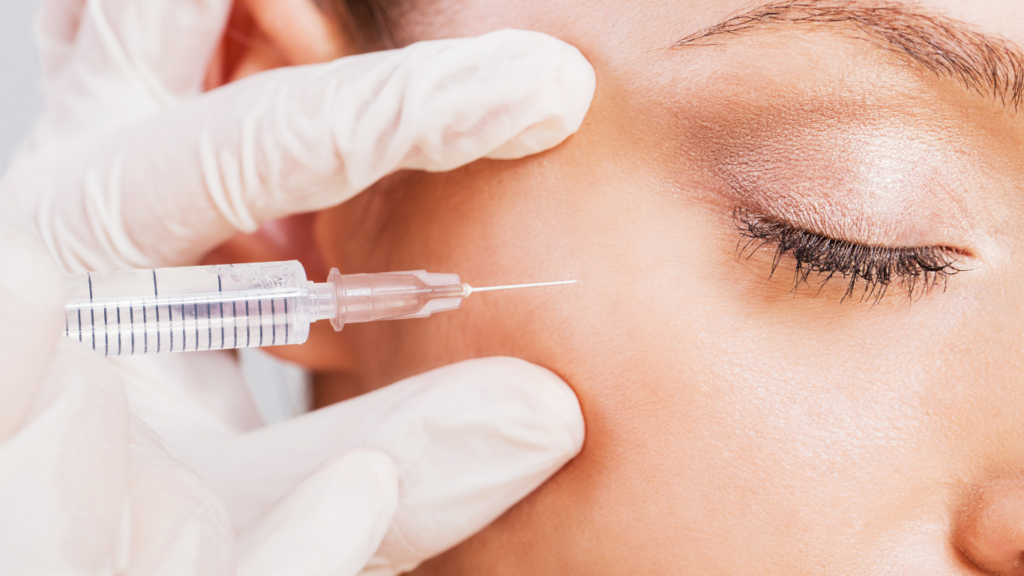
Preventative Botox uses botulinum toxin to treat dynamic lines, also called expression lines, that appear when you move your face. Treating these lines before they become static lines visible at rest may slow them from setting in. So, does it work? It may delay some wrinkles, but it works better at slowing lines from becoming permanent than at preventing wrinkles altogether.
This article explains what preventative Botox is and what the evidence shows about treatment in your 20s or 30s. It also covers when to start, what Botox will not prevent, and its risks and long-term downsides. You’ll learn about cost and treatment frequency, as well as how to choose a safe, qualified injector at our state-of-the-art Med Spa in San Diego.
What Is Preventative Botox?
Preventative Botox uses small doses of botulinum toxin to reduce the muscle movements that cause expression lines before they become visible at rest. You may notice temporary dynamic lines that disappear as soon as your face settles. Years of repeated movements can turn short-term creases into static lines that eventually stay, even when your face relaxes. Our most common treatment areas include forehead lines, crow’s feet around the eyes, and glabellar lines between the brows. Preventive treatment focuses on lines before they become lasting features.
The products used are the same FDA-approved botulinum toxin type A options used for corrective treatment, including Botox, Dysport, Jeuveau, and Xeomin. These neurotoxins are not separate preventative products, and “preventative Botox” does not refer to a separate FDA approval; it describes the timing and purpose of treatment. Providers may use fewer units in each area, sometimes described as microdosing or Baby Botox. For more information about lighter doses and subtle placement, see our guides on Baby Botox and Botox for Beginners.
Does Preventative Botox Actually Work?
Less muscle movement means lines etch into the skin more slowly; however, long-term evidence remains limited, and the claim that Botox lasts for decades has not been proven yet. Repeated movement of the same muscle forms lines in your dermal layer. When you relax that underlying movement with a neurotoxin, you reduce the mechanical creasing on your skin. Less everyday skin creasing means less deep wrinkle formation over time.
Clinical evidence for long-term prevention comes mainly from small case studies. For example, a well-known 2006 case study published in Archives of Facial Plastic Surgery followed identical twin sisters for 13 years. The twin who received regular Botox treatments in her forehead and frown lines developed fewer visible static lines than her sister, who only received two treatments.
A 19-year follow-up study published in Dermatologic Surgery in 2015 showed similar visual differences between the same two participants. However, these studies have limits. Much of the overall research remains short-term, and real-world results vary from person to person. Genetics, sun exposure, and skin quality play a part in how your face ages.
What Age Should You Start Preventative Botox?
There is no single right age; the right time is when your expression lines start to linger after your face relaxes.
To check your skin at home, try the mirror test in natural light. Relax your face and look straight ahead at the upper half of your face. A line that appears only when you frown, smile, or raise your eyebrows is a dynamic line. A crease that remains visible when your face is relaxed may be starting to set into the skin. Many people notice these changes in their late twenties. But timing varies based on facial expressions, sun exposure, and skin type.
Starting earlier is not automatically better for you. Your skin doesn’t store botulinum toxin for later, and starting too soon may mean paying for unnecessary years of injections. The FDA approves these neurotoxin products for adult patients who are 18 years of age and older. Our reviewing injector confirms that 18 is the minimum approved legal age. However, most patients do not actually need preventative Botox until their late twenties.
What Preventative Botox Will Not Prevent
Botox treats only lines caused by repeated muscle movement, which is a limited part of what makes facial skin look older over time. It may soften dynamic lines, but it does not treat many other signs of aging, including the following:
- It won’t reverse photoaging (skin aging due to too much sun exposure) or pigmentation caused by cumulative UV exposure.
- It does not replace lost facial volume as fat pads shift and shrink.
- It does not correct skin laxity or collagen loss.
- It does not improve rough texture or change pore size.
- It does not prevent sleep lines caused by pressing your face against a pillow.
Simple daily habits can help protect your skin from these changes. Apply broad-spectrum sunscreen daily to limit UV exposure and reduce signs of premature skin aging. Sunscreen protects against long-term skin aging more than any injectable treatment. A retinoid, such as retinol or prescription tretinoin, may improve sun-damaged skin and support collagen production. Not smoking can also help protect your skin’s overall health.
Sleeping on your back may also reduce repeated pressure on your face and the formation of sleep lines. Botox is one part of an anti-aging plan; it’s not the whole plan. Combine it with a consistent skincare routine and appropriate aesthetic treatments.
What Are the Risks and Downsides of Starting Early?
Botox has a long safety record when injected properly, and concerns about starting young mostly involve cost and long-term muscle changes rather than immediate danger.
- Short-term side effects. You may experience bruising, swelling, or tenderness at the injection site. Some people also develop a headache in the days after treatment or temporary flu-like symptoms. These effects usually settle on their own within a few days.
- Injection-related problems. Poor placement or dosing can cause eyelid ptosis (a drooping eyelid), brow ptosis, asymmetry, or a heavy or unnatural look. Some people describe this as a frozen look. These problems usually resolve as the product wears off, typically within three to four months. Botulinum toxin products also carry a boxed warning about the rare possibility of distant spread of toxin effects. Seek urgent medical care if you develop generalized muscle weakness, difficulty swallowing, or breathing problems after treatment.
- Long-term muscle changes. Repeated Botox applications may weaken and thin the treated muscles over time. This effect could make your expressions look flatter or slightly change the shape of your upper face. Research on permanent muscle changes from long-term cosmetic Botox use is limited. Any changes may improve as the muscles regain movement after the Botox wears off.
- Resistance. Some people develop antibodies to the toxin with frequent or high-dose treatment. This antibody resistance can make Botox less effective later. Spacing treatments by at least 12 weeks, avoiding unnecessary booster injections, and using the lowest effective dose may reduce this risk. Regular maintenance should follow your injector’s advice rather than a fixed schedule.
How Much Does Preventative Botox Cost and How Often Do You Need It?
Reputable injectors price Botox by the unit or by area, depending on the clinic. As preventative dosing targets fine movement early, it uses fewer units of Botox than traditional treatment. As your body naturally metabolizes the product, expect temporary results for about 3 to 4 months.
Several factors determine how many units you need:
- The specific facial areas you treat.
- Muscle strength.
- How expressively you move your face during daily conversation.
During your first appointment, we’ll start with a conservative dose to see how your muscles respond. You will then return for a quick two-week follow-up to check your results and add a touch-up if needed.
To maintain your results, schedule three to four sessions each year to preserve the smoothing effect as long as you want. On average, Botox costs about $14 per unit, though the total cost varies based on your custom plan. Always confirm exact pricing with the practice before your appointment, as costs vary by treatment size. Keep in mind that health insurance considers preventative Botox a cosmetic procedure, so insurance will not cover it. Our detailed pricing page enables you to plan your budget.
Who Is a Good Candidate for Preventative Botox?
A good candidate is a healthy individual over 18 with mostly visible expression lines. They understand this is an ongoing treatment and want a soft, natural result rather than a frozen face.
Who tends to be a suitable candidate:
- Someone whose frown or forehead lines remain faintly visible at rest.
- Someone very expressive whose lines are deepening earlier than their peers.
- Someone already using daily sunscreen and a retinoid in their regular skincare routine.
- Someone comfortable with scheduling maintenance appointments a few times a year.
Who should avoid treatment or wait:
- Anyone pregnant or currently breastfeeding.
- Anyone with a known allergy to botulinum toxin or any of its ingredients.
- Anyone diagnosed with a neuromuscular disorder like myasthenia gravis, ALS, or Lambert-Eaton syndrome.
- Anyone with an active skin infection or open wound near the target injection site.
Your qualified injector determines true candidacy during a formal in-person consultation. They will evaluate contraindications, review your medical background, and observe your face both in motion and completely at rest. From there, your provider designs a personalized treatment plan tailored to your specific facial anatomy and long-term aesthetic goals.
Have Questions? Talk to an Injector at The Laser Cafe
Preventative Botox is worth considering once your expression lines stay visible. Remember, these injections are just one part of a complete skin health plan, not the whole solution. Starting treatment before your skin shows any lingering lines won’t buy you anything extra, so you don’t need to rush into a Botox clinic on your twentieth birthday.
If you’re wondering whether now is the right time for your skin, schedule a personalized Botox consultation with our expert team of injectors working under the supervision of the medical director. During your visit at our University Avenue clinic in Hillcrest, an experienced injector will closely examine your face at rest and in motion. They will give you an honest evaluation and tell you directly if starting now makes sense or if you should wait a few more years.
Review our full range on our Botox service page, book an appointment online or give us a call today for your custom treatment plan.
Frequently Asked Questions
At what age should you start preventative Botox?
You should start when your expression lines begin to linger on your face after you relax. Most people notice these lingering lines somewhere in their late twenties or early thirties.
Does preventative Botox actually prevent wrinkles?
Yes, it slows dynamic lines from etching into deep static wrinkles over time. However, it cannot stop natural aging entirely, and long-term scientific evidence remains limited.
Is 25 too early for Botox?
Age 25 is not automatically too early if your face shows faint lines at rest. However, starting before you see any lingering lines simply wastes your money.
What happens if you stop getting preventative Botox?
Your facial muscles slowly regain their normal movement as the product wears off. Your skin resumes its natural aging process without sudden rebound wrinkles.
How many units do you need for preventative Botox?
Preventative treatments generally require fewer units than corrective doses, often ranging from 10 to 30 units in total. Your provider calculates your exact number based on muscle strength.
Does preventative Botox make wrinkles worse later?
No, stopping or getting injections does not make your wrinkles worse over time. Your face simply ages at its normal pace whenever you pause treatment.
About the Author
Editorial Team
Ready to Transform Your Look and Restore Youthful Confidence
Our Treatments
- Restylane
- IPL Photofacial
- Skinvive
- Rejuvapen Microneedling
- Dysport
- Vivace RF Microneedling
- Daxxify
- Coolsculpting
- Xeomin
- Jeuveau
- Lip Filler
- Dermal Filler
- Botox
- Juvederm
- Laser Hair Removal
- Neurotoxins
- Energy, Detox, Recovery
- B12 Shots
- MIC B12 Lipo Shot
- The Energy Lounger
- BrainTap
- Dysport
- Skin Resurfacing
- Erbium Skin Resurfacing
- PRX biostimulant
- Chemical Peels
- Plasma IQ Fibroblasting
- LaseMD Skin Resurfacing


Highest Rated Laser Hair Removal & Medspa in San Diego, CA
- +1 619-795-8303
- info@thelasercafe.com
- 1205 University Ave, San Diego, CA 92103, United States
-
Monday - Friday:
8:00AM to 6:30PM -
Saturday:
8:00AM to 4:00PM - Sunday: Closed
Copyright © 2026 | All Rights Reserved.
Sitemap | Privacy Policy | Cookie Policy | Terms and Conditions | Data Subject Access Request Form | Consent Preferences
The information available on this website is provided for informational purposes only. This information is not intended to replace a medical consultation where a physician’s judgment may advise you about specific disorders, conditions, and/or treatment options. We hope the information will be useful for you to become more educated about your health care decisions. If you are vision-impaired or have some other impairment covered by the Americans with Disabilities Act or a similar law, and you wish to discuss potential accommodations related to using this website, please contact us at 619-795-8303.