

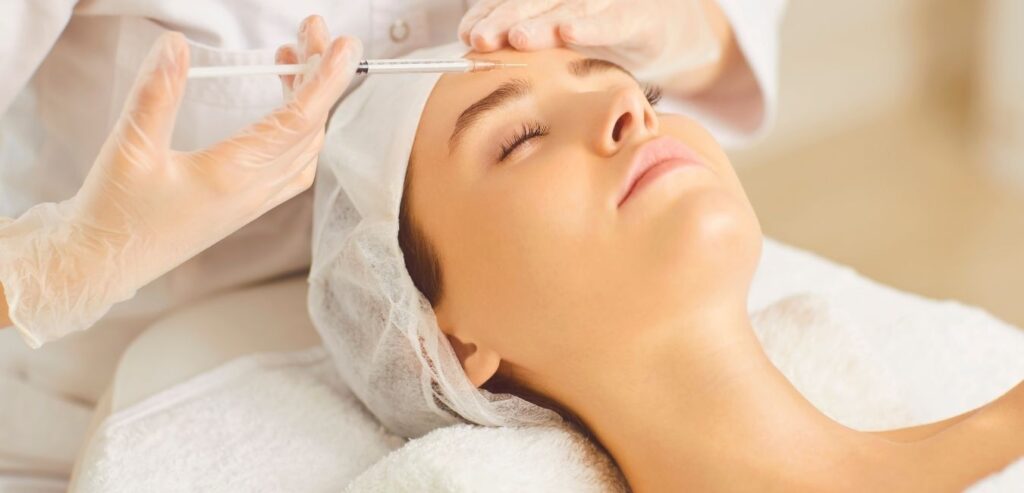
Common Botox Questions & Answers
Thinking about getting Botox for the first time in San Diego? You must be curious about what the treatment actually feels like, when you’ll see results, or whether people will be able to tell you’ve had something done. There are some of the most common questions people have, and knowing the answers can make the whole process feel much less intimidating.
In this guide, you’ll find answers to the most common questions about Botox, from how it works and where it can be used to how long the results last, what to avoid before and after treatment, and how to choose the right injector. Whether you’re considering Botox for the first time or simply want to know more before your next appointment, these answers can help you feel more informed and prepared.
What Is Botox?
Botox is an FDA-approved injectable treatment made from a purified form of botulinum toxin type A. It temporarily reduces muscle activity that contributes to certain facial lines and wrinkles. Botox has been used medically since 1989 and received FDA approval for cosmetic use in 2002. Botox has become a widely used option for both cosmetic and medical purposes.
How Does Botox Work?
When Botox is injected into a targeted facial muscle, it works at the neuromuscular junction, where a nerve communicates with a muscle. Botox targets the nerve endings near the muscle and temporarily prevents them from releasing acetylcholine, the chemical messenger that tells the muscle to contract. By blocking this contraction signal, Botox reduces activity in the treated muscle without permanently damaging it. As the muscle relaxes, repeated facial movements such as frowning, squinting, or raising the eyebrows become less pronounced.
What Areas Can Botox Treat?
Botox is commonly used to treat forehead lines, frown lines between the eyebrows, and crow’s feet around the eyes. Depending on your treatment goals and your injector’s assessment, it may also be used in other areas for cosmetic or medical purposes such as TMJ-related jaw tension, chronic migraines, and hyperhidrosis. The appropriate injection sites and amount depend on your facial anatomy and the results you want to achieve. A personalized Botox treatment can help address your specific concerns based on your facial anatomy and treatment goals.
Is Botox Safe?
When administered by a qualified and experienced medical professional, Botox is generally considered safe. Like any injectable treatment, it can cause temporary side effects such as redness, swelling, tenderness, bruising, or headache. Choosing a properly trained injector and following their instructions can help reduce the risk of complications.
How Do I Know If I’m a Good Candidate for Botox?
You may be a good candidate for Botox if you are a healthy adult looking to soften expression-related wrinkles and have realistic expectations about the results. However, Botox may not be suitable for everyone. Certain medical conditions, medications, allergies, pregnancy, or breastfeeding may affect your eligibility for treatment. During a consultation, a qualified injector can review your medical history, medications, facial movement, and aesthetic goals to determine whether Botox is appropriate and safe for you.
Does Botox Hurt?
Botox injections may cause slight discomfort, but the procedure is generally quick and well tolerated. Some areas, such as around the mouth and eyes, may feel more sensitive than the forehead or between the eyebrows. To make the experience more comfortable, your provider may use a cold pack or topical numbing cream before treatment to help minimize discomfort.
What Should I Expect During a Botox Treatment?
Your Botox appointment will be quick and straightforward, usually taking about 15 to 30 minutes. Before treatment, your provider will examine your facial movements, discuss your concerns and goals, and determine the areas to treat. Botox is then administered into the targeted muscles using a fine needle. Once the treatment is complete, your provider will provide personalized Botox aftercare instructions to support optimal results and help you understand what to expect during recovery.
When Will I See Botox Results and How Long Do They Last?
You will begin noticing smoother skin and softened expression within 3 to 5 days as an initial effect of Botox. The results continue to develop over the following days, with final results typically visible within about two weeks, revealing a smoother, refreshed, and natural-looking appearance. Results generally last around 3 to 4 months, although this can vary based on the treatment area, dosage, and individual response. Regular treatments can help maintain your Botox results and keep your appearance looking naturally refreshed.
Can Botox Give Natural-Looking Results Without Making My Face Look Frozen?
Yes, when Botox is carefully placed by an experienced injector and properly dosed, it can soften wrinkles while keeping your facial expression natural without making your face look stiff or frozen. Your injector will consider your facial structure, muscle movement, and treatment goals when deciding where and how much Botox to use. The goal isn’t to stop your expressions, but to create a smoother, refreshed appearance while allowing you to smile, raise your eyebrows, and show emotion naturally.
Is There Any Downtime After Botox Treatment?
Botox generally requires little to no downtime. You may have mild redness, swelling, or small bumps where the injections were placed, but these usually resolve quickly. Most people can return to work and their normal daily activities soon after treatment, although your injector may recommend avoiding certain activities for a short period.
What Should I Do and Avoid Before and After Botox Treatment?
Before Botox, you should follow your provider’s instructions and discuss any medications, supplements, or medical conditions. You should also avoid alcohol and unnecessary blood-thinning medications or supplements if your provider recommends it. After treatment, avoid rubbing or massaging the treated areas and strenuous exercise for the period advised by your provider. It’s also best to avoid excessive heat, such as saunas or hot tubs, immediately after treatment. Following these simple precautions can help minimize temporary side effects and support your results.
Can Botox Be Combined With Other Treatments?
Yes, Botox can sometimes be combined with other cosmetic treatments to address concerns that Botox alone cannot treat. For example, dermal fillers can restore lost volume, while treatments such as chemical peels, laser therapy, or microneedling may improve skin texture, tone, and pigmentation. Combining treatments can provide a more balanced and comprehensive result. However, the appropriate combination and timing depend on your individual goals, skin condition, and treatment areas.
Recommended: Combining Dermal Fillers and Botox
Are There Any Serious Side Effects of Botox?
Serious side effects from Botox are rare, particularly when the treatment is performed by a qualified medical professional. In a study published by PubMed Central, it was found that patients receiving Botox experience mild bruising in approximately 11% to 25% of cases, while temporary eyelid drooping has been reported in approximately 1% to 5% of patients treated in the glabellar area.
These reactions are generally temporary, but in rare cases, botulinum toxin can spread beyond the treated area and cause more serious symptoms, such as difficulty breathing, speaking, or swallowing, severe muscle weakness, vision changes, or significant eyelid drooping. Seek medical attention promptly if you experience these symptoms after treatment.
How Do I Choose the Right Botox Injector?
Choosing the right Botox provider can make a significant difference in your treatment experience and results. Look for a qualified medical professional with appropriate training and significant experience performing Botox treatments. During your consultation, ask about their experience, the areas they commonly treat, and the type of results you can realistically expect. Review before-and-after photos of their work and make sure they take the time to understand your concerns rather than using a one-size-fits-all approach.
Conclusion on What to Know Before Getting Botox
Botox can be an effective way to soften the appearance of wrinkles and achieve a refreshed, natural-looking appearance when performed by a qualified and experienced provider. Before treatment, take the time to understand what Botox can and cannot do, what results to expect, possible side effects, aftercare, and how often you may need maintenance treatments. Choosing an experienced injector who understands facial anatomy and takes a personalized approach is just as important as the treatment itself.
At The Laser Cafe, our experienced provider takes the time to understand your aesthetic goals, evaluate your facial features, and recommend a Botox treatment plan tailored to you. Whether you’re considering Botox for the first time or looking to maintain your results, you can receive personalized guidance in a professional setting. Schedule a consultation with The Laser Cafe today to discuss your goals and find out whether Botox is right for you.
Highest Rated Laser Hair Removal & Medspa in San Diego, CA